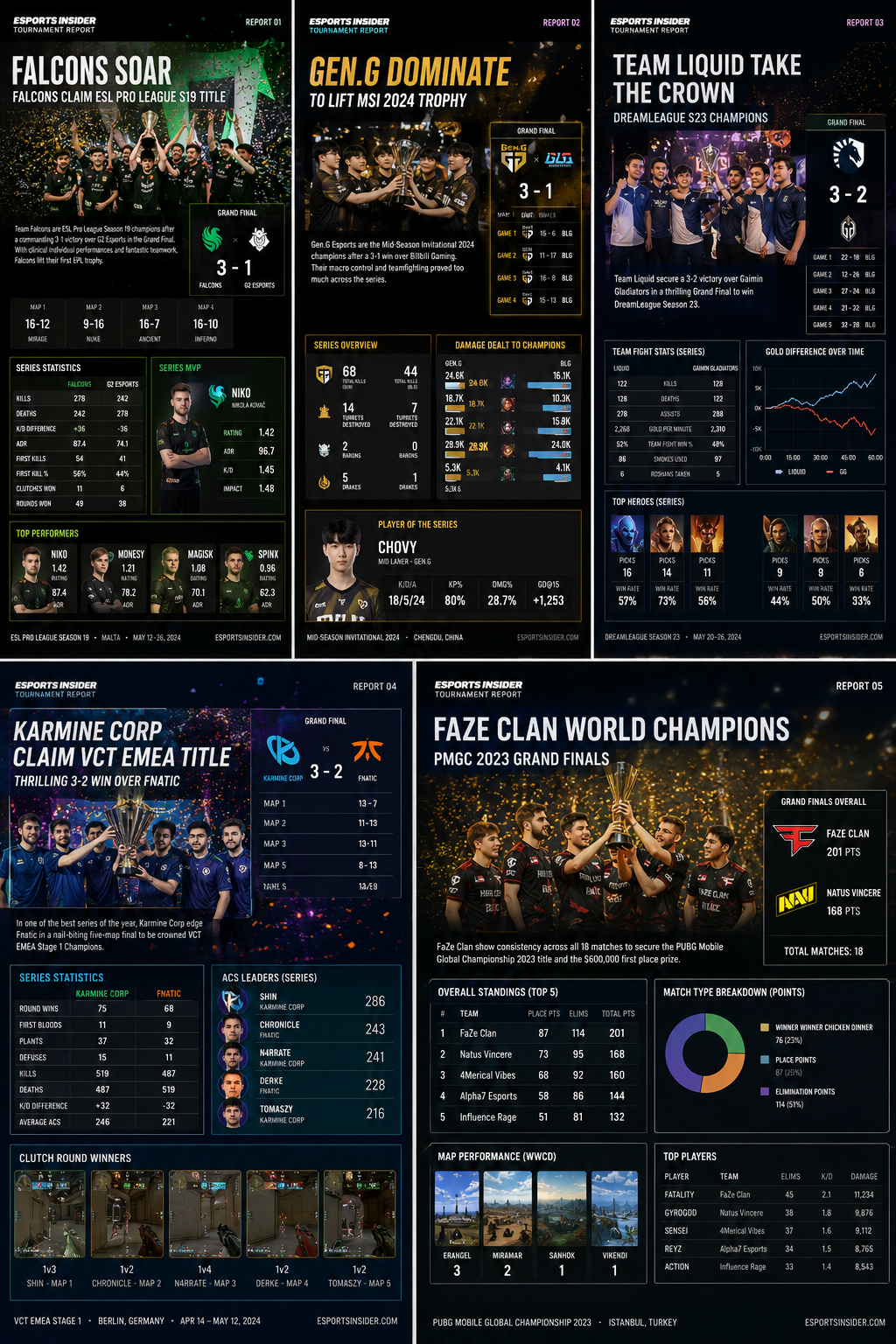
| Week 1 | T&L Activities: Welcome to Contextualised English for Level 2 Esports as a cultural text: language, audiences and identity In this week's content we will explore how esports uses its own language and how that language changes for different audiences. You will be required to read an esports text, identify what it tells us about players and fans, build a useful glossary, and write an explanation for someone who is new to esports.
Steps to complete: 1. Sort the sample words and phrases by formality, audience and attitude. 2. Read and annotate the esports feature, marking clear facts and ideas you have inferred. 3. Select 12-15 useful esports terms and explain each one in plain English. 4. Write a 250-300 word “Esports for a newcomer” guide using paragraphs and an appropriate tone. 5. Proofread your guide with a partner and improve any unclear wording.
By the end of the session you should have an annotated text, a glossary and a polished explainer ready to share.
Files that support this week | English:
Reading for explicit/implicit meaning; inference; summarising; vocabulary; adapting register; explanation; paragraphing; proofreading; discussion. |
Assessment:
|
Learning Outcomes:
|
Awarding Organisation Criteria:
AO1, AO5, AO6. 3.1.1 critical reading/comprehension; 3.1.2 clear/coherent writing for audience and purpose. Specification |
| Maths:
|
|||||
| Stretch and Challenge:
|
E&D / BV | ||||
| Homework / Extension:
|
ILT | ||||
| → | → | → | → | → | → |
| Week 2 | T&L Activities: Match-report detective: facts, inference and concise summary In this week's content we will look at how journalists turn an esports match into a clear, accurate report. You will be required to separate fact from inference, select strong evidence and reduce a longer text into a concise summary without losing important information.
Steps to complete: 1. Take part in the student-led retrieval and inference quiz. 2. Read the tournament report and colour-code facts, quotations, inferences and writer comments. 3. Choose five inferences and match each one to the strongest supporting evidence. 4. Reduce the report to approximately 120 words, keeping only the key events, causes and outcomes. 5. Create three different headlines and standfirsts for different audiences. 6. Check that your final summary is accurate, neutral and easy to follow.
By the end you will have a concise match summary and a set of audience-specific headlines.
Alternative sources to use is HLTV's website using the link below Counter-Strike News & Coverage | HLTV.
Using your new Skills create a Match Report, with Statistics and Data around a match/competition of your choice, this can be Traditional Sports or Esports related.
Files that support this week | English:
Retrieval; inference; selecting evidence; synthesis; summarising; concision; headline writing; audience awareness; oral justification. |
Assessment:
|
Learning Outcomes:
AO1, AO5, AO6. 3.1.1 identifying/interpreting information and summary/synthesis; 3.1.2 writing for purpose/audience. Specification |
Awarding Organisation Criteria:
|
| Maths:
|
|||||
| Stretch and Challenge:
|
E&D / BV | ||||
| Homework / Extension:
|
ILT | ||||
| → | → | → | → | → | → |
| Week 3 | T&L Activities: In this week's content we will investigate how esports commentators create excitement. You will be required to identify language techniques, explain their effects and then use those techniques deliberately in your own commentary.
Steps to complete: 1. Join the student-led recap of verbs, adjectives, repetition and figurative language.  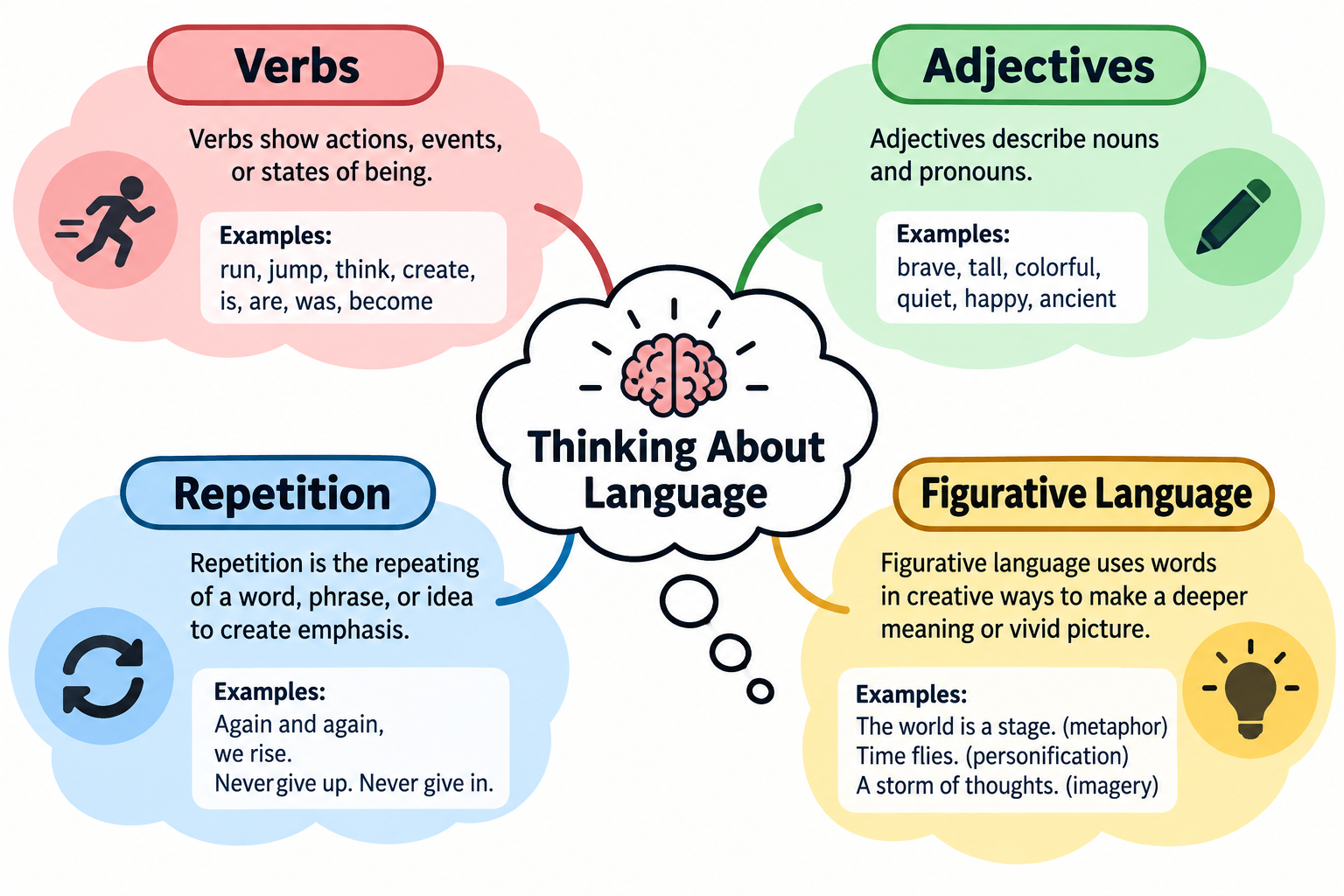
2. Annotate a commentary transcript, highlighting words and phrases that build pace, drama or emotion. 3. Explain how at least three language choices affect the audience. 4. Rewrite part of the transcript in a calm, factual style and compare the difference. 5. Write a 45-60 second commentary script for a gameplay clip or scenario. 6. Rehearse and perform your script, then improve it using peer feedback.
By the end you will have a fully written and performed esports commentary script showing deliberate language choices.
Files that support this week | English:
Language analysis; terminology; explaining effects; rewriting for register; imaginative writing; speaking/performance; editing. |
Assessment:
|
Learning Outcomes:
AO2, AO5, AO6; AO7–AO9 in performance. Paper 1 language analysis and creative writing; 3.1.1 evaluation of vocabulary/grammar; 3.1.2 writing for impact. Specification |
Awarding Organisation Criteria:
|
| Maths:
|
|||||
| Stretch and Challenge:
|
E&D / BV | ||||
| Homework / Extension:
|
ILT | ||||
| → | → | → | → | → | → |
| Week 4 | T&L Activities: In this week's content we will create a piece of imaginative writing based around a tense esports final. You will be required to plan a short narrative, control suspense and use description, viewpoint and sentence variety to make the scene engaging.
Steps to complete: 1. Analyse a model extract and notice how tension is created through imagery, viewpoint and sentence length. 2. Plan a five-stage story arc: opening, build-up, turning point, climax and controlled ending. 3. Decide whose viewpoint the reader will follow and what that character wants. 4. Draft 500-650 words, focusing on atmosphere and reactions rather than explaining every game mechanic. 5. Highlight places where you have used imagery, structural shifts and sentence variety. 6. Edit weak vocabulary, punctuation and repetitive sentence openings.
By the end you will have a complete, redrafted creative-writing response suitable for Paper 1 practice. Files that support this week | English:
Narrative planning; descriptive detail; viewpoint; structure; vocabulary; sentence variety; punctuation; redrafting; reading aloud. |
Assessment:
|
Learning Outcomes:
AO5, AO6. Paper 1 Section B creative/narrative writing; 3.1.2 producing clear/coherent text and writing for impact. Specification |
Awarding Organisation Criteria:
|
| Maths:
|
|||||
| Stretch and Challenge:
|
E&D / BV | ||||
| Homework / Extension:
|
ILT | ||||
| → | → | → | → | → | → |
| Week 5 | T&L Activities: In this week's content we will focus on structure: the order in which a writer reveals information and controls pace. You will be required to analyse how a text creates tension and then improve the structure of your own writing.
Steps to complete: 1. Complete the student-led card sort on structural techniques. 2. Read the competition extract and track what the writer focuses on at the beginning, middle and end. 3. Identify shifts in viewpoint, pace, setting or attention. 4. Reorder the mixed paragraphs in the “Director's cut” task and justify your choices. 5. Write an evaluation paragraph explaining how effectively the writer creates tension. 6. Return to last week's narrative and reorganise one section to make the build-up or ending stronger.
By the end you will have a structural analysis and a revised section of your own narrative. Files that support this week | English:
Structural analysis; sequencing; evaluation; textual reference; paragraphing; revision; justification; comparison preparation. |
Assessment:
|
Learning Outcomes:
AO2, AO4, AO5, AO6. Paper 1 reading structure/evaluation; 3.1.1 analysing structure and critical evaluation. Specification |
Awarding Organisation Criteria:
|
| Maths:
|
|||||
| Stretch and Challenge:
|
E&D / BV | ||||
| Homework / Extension:
|
ILT | ||||
| → | → | → | → | → | → |
| Week 6 | T&L Activities: In this week's content we will compare contrasting viewpoints on the question “Is esports a sport?” You will be required to read two sources carefully, identify each writer's position and compare how their ideas and methods differ.
Steps to complete: 1. Listen to the neutral student briefing and note the key question. 2. Read both sources and identify each writer's main viewpoint. 3. Highlight evidence, tone, assumptions and persuasive language. 4. Complete a comparison grid showing similarities and differences in ideas and methods. 5. Judge which claims are strongly evidenced, weakly evidenced or mainly opinion. 6. Write a comparative paragraph using quotations or precise references from both sources. 7. Record your own view in the exit poll and justify it briefly.
By the end you will have a completed comparison grid and an exam-style comparison response. Files that support this week | English:
Comparative reading; inference; identifying viewpoint; evaluating evidence and bias; synthesis; analytical comparison; discussion. |
Assessment:
|
Learning Outcomes:
AO1, AO3, AO4. Paper 2 Section A viewpoints/perspectives; 3.1.1 critical reading, bias/evidence and comparing texts. Specification |
Awarding Organisation Criteria:
|
| Maths:
|
|||||
| Stretch and Challenge:
|
E&D / BV | ||||
| Homework / Extension:
|
ILT | ||||
| → | → | → | → | → | → |
| Week 7 | T&L Activities: In this week's content we will turn last week's reading into a formal debate. You will be required to build an argument, respond respectfully to opposing views and use evidence to support what you say.
Steps to complete: 1. Review the debate motion, speaking roles and respectful challenge phrases. 2. Work with your team to prepare an opening statement supported by evidence from Week 6. 3. Predict at least two counterarguments and prepare possible responses. 4. Take part in the timed debate as speaker, chairperson or audience questioner. 5. Use the speaking checklist to evaluate structure, vocabulary, confidence and responses to questions. 6. Convert one spoken argument into a formal 180-word article paragraph.
By the end you will have contributed to a formal debate and produced a written version of one developed argument. Files that support this week | English:
Formal presentation; argument; evidence; listening/responding; Standard English; counterargument; adapting speech to writing. |
Assessment:
|
Learning Outcomes:
AO5, AO6, AO7, AO8, AO9. 3.1.2 argument/writing for impact; 3.1.3 presenting, responding and spoken Standard English. Specification |
Awarding Organisation Criteria:
|
| Maths:
|
|||||
| Stretch and Challenge:
|
E&D / BV | ||||
| Homework / Extension:
|
ILT | ||||
| → | → | → | → | → | → |
| Week 8 | T&L Activities: In this week's content we will study how clear communication helps an esports team work successfully. You will be required to compare different registers, design a communication protocol and test it in a practical team challenge.
Steps to complete: 1. Take part in the student-led “clear comms” activity and identify what caused misunderstandings. 2. Compare informal callouts, a coach briefing and a formal rulebook extract. 3. Highlight how vocabulary and sentence structure change for different audiences and purposes. 4. Create a one-page communication protocol containing concise callouts, escalation phrases and respectful feedback language. 5. Use your protocol during the collaborative strategy simulation. 6. Review what worked and rewrite any unclear instructions.
By the end you will have a tested communication protocol that another team could understand and use. Files that support this week | English:
Instructional writing; register; concise vocabulary; listening; collaborative speaking; editing for clarity; explanation. |
Assessment:
|
Learning Outcomes:
AO5, AO6, AO7–AO9. 3.1.2 instruct/explain and adapt language to context; 3.1.3 spoken language. Specification |
Awarding Organisation Criteria:
|
| Maths:
|
|||||
| Stretch and Challenge:
|
E&D / BV | ||||
| Homework / Extension:
|
ILT | ||||
| → | → | → | → | → | → |
| Week 9 | T&L Activities: In this week's content we will examine toxicity, moderation and constructive communication in online esports spaces. You will be required to identify harmful or unhelpful language and replace it with language that is firm, respectful and appropriate.
Steps to complete: 1. Classify the fictional chat messages and rewrite the unacceptable examples. 2. Read the conduct or moderation text and identify its viewpoint, evidence and persuasive methods. 3. Work through the scenario cards involving disagreement, harassment, exclusion or unsporting behaviour. 4. Decide on a proportionate response and explain why it is suitable. 5. Write a 250-word code of conduct for an esports community. 6. Create three short campaign messages aimed at different audiences. 7. Proofread for clarity, inclusivity and tone.
By the end you will have a usable code of conduct and a mini digital-citizenship campaign. Files that support this week | English:
Critical reading; evaluating evidence; persuasive writing; tone/register; concise messaging; inclusive vocabulary; discussion and justification. |
Assessment:
|
Learning Outcomes:
AO1, AO2, AO4, AO5, AO6. 3.1.1 critical/evaluative reading; 3.1.2 writing to explain/argue and writing for impact. Specification |
Awarding Organisation Criteria:
|
| Maths:
|
|||||
| Stretch and Challenge:
|
E&D / BV | ||||
| Homework / Extension:
|
ILT | ||||
| → | → | → | → | → | → |
| Week 10 | T&L Activities: In this week's content we will look at accessibility and how communication can include more people. You will be required to identify barriers, compare recommendations and redesign information so that it is clearer and easier to access.
Steps to complete: 1. Audit the fictional tournament material and list any barriers you notice. 2. Read two texts about accessibility or inclusive digital design and synthesise the most useful recommendations. 3. Study the audience profiles and identify communication needs without making assumptions about individuals. 4. Redesign an event information page or briefing so it uses clear headings, plain English, logical order and accessible formatting. 5. Explain at least four changes you made and the reason for each. 6. Ask another group to test the redesigned information.
By the end you will have an accessible event-information resource and a written explanation of your design choices. Files that support this week | English:
Synthesis; comparison; audience awareness; plain English; information design; explanation; presentation; inclusive communication. |
Assessment:
|
Learning Outcomes:
AO1, AO3, AO5, AO6, AO7–AO9. 3.1.1 synthesis/comparison; 3.1.2 explain/inform; 3.1.3 presenting ideas. Specification |
Awarding Organisation Criteria:
|
| Maths:
|
|||||
| Stretch and Challenge:
|
E&D / BV | ||||
| Homework / Extension:
|
ILT | ||||
| → | → | → | → | → | → |
| Week 11 | T&L Activities: In this week's content we will explore representation and opportunity in esports. You will be required to compare how people are presented in different texts and then write a respectful feature opening that avoids stereotypes.
Steps to complete: 1. Read the two profiles or features and note how each person is introduced. 2. Identify evidence about opportunity, barriers, achievement and identity. 3. Highlight labels, quotations, framing and headline choices that shape the reader's view. 4. Separate what the text actually proves from assumptions a reader might make. 5. Plan a feature opening about a fictional or researched esports participant. 6. Write approximately 300 words using factual detail and quotation appropriately. 7. Check that your language emphasises the person's expertise and individuality.
By the end you will have a comparative reading record and a polished feature opening. Files that support this week | English:
Comparing perspectives; language analysis; bias/stereotype awareness; feature writing; quotation; interviewing; editing. |
Assessment:
|
Learning Outcomes:
AO1, AO2, AO3, AO5, AO6. Paper 2-style viewpoints comparison; 3.1.1 critical reading and 3.1.2 writing for audience/purpose. Specification |
Awarding Organisation Criteria:
|
| Maths:
|
|||||
| Stretch and Challenge:
|
E&D / BV | ||||
| Homework / Extension:
|
ILT | ||||
| → | → | → | → | → | → |
| Week 12 | T&L Activities: In this week's content we will practise respectful interviewing and profile writing using adaptive esports as the context. You will be required to ask purposeful questions, take accurate notes and write about a person's skills and achievements without reducing them to a stereotype.
Steps to complete: 1. Review open, closed and follow-up interview questions. 2. Analyse the model profile and identify how fact, quotation and description are combined. 3. Prepare six to eight respectful questions for your role-play interview. 4. Conduct the interview, listen carefully and record accurate notes; then swap roles. 5. Select the most useful quotations and facts. 6. Write a 350-word profile with a clear opening, developed middle and purposeful ending. 7. Edit for tone, accuracy and respectful representation.
By the end you will have interview notes and a completed profile article. Files that support this week | English:
Questioning; listening; note-taking; selecting detail; feature/profile writing; quotation integration; tone and accuracy. |
Assessment:
|
Learning Outcomes:
AO1, AO5, AO6, AO7–AO9. 3.1.2 inform/describe and adapt to audience; 3.1.3 listening/responding and spoken English. Specification |
Awarding Organisation Criteria:
|
| Maths:
|
|||||
| Stretch and Challenge:
|
E&D / BV | ||||
| Homework / Extension:
|
ILT | ||||
| → | → | → | → | → | → |
| Week 13 | T&L Activities: In this week's content we will investigate how esports is experienced in different parts of the world. You will be required to read about several regions, teach key information to classmates and compare how audiences, communities and opportunities can differ.
Steps to complete: 1. Join the student-led map activity and challenge any assumptions you notice. 2. In your group, read the allocated regional article or feature. 3. Extract key points about fandom, events, careers, community and local context. 4. Prepare a short explanation of your source for classmates. 5. Move through the synthesis carousel and complete the comparison matrix using information from other groups. 6. Write a developed response to the question “How can the same esports event mean different things to different audiences?”
By the end you will have a completed global comparison matrix and a written perspective response. Files that support this week | English:
Reading across sources; synthesis; comparison; inference; cultural awareness; evidence-based explanation; speaking to teach peers. |
Assessment:
|
Learning Outcomes:
AO1, AO3, AO4. 3.1.1 summary/synthesis, critical comparison and recognition of different responses to texts. Specification |
Awarding Organisation Criteria:
|
| Maths:
|
|||||
| Stretch and Challenge:
|
E&D / BV | ||||
| Homework / Extension:
|
ILT | ||||
| → | → | → | → | → | → |
| Week 14 | T&L Activities: In this week's content we will focus on localisation: adapting English so that a message works for different audiences and cultures. You will be required to identify language that may confuse an international audience and create several clearer versions of the same message.
Steps to complete: 1. Rewrite the student-led idiomatic announcement in clearer international English. 2. Highlight slang, idioms, ambiguous wording, tone and culture-specific references in the sample copy. 3. Produce three versions of one event announcement: one for UK teenagers, one for international newcomers and one for formal sponsors or partners. 4. Complete the meaning-card task by choosing the clearest English wording for each message. 5. Compare your versions and explain what changed and why. 6. Edit for precision, tone and audience awareness.
By the end you will have a three-version localisation pack with a short explanation of your choices. Files that support this week | English:
Register; audience/purpose; vocabulary choice; clarity; rewriting; explaining language effects; collaborative discussion. |
Assessment:
|
Learning Outcomes:
AO2, AO5, AO6. 3.1.1 evaluating vocabulary/grammar; 3.1.2 adapting tone/style/register and writing for impact. Specification |
Awarding Organisation Criteria:
|
| Maths:
|
|||||
| Stretch and Challenge:
|
E&D / BV | ||||
| Homework / Extension:
|
ILT | ||||
| → | → | → | → | → | → |
| Week 15 | T&L Activities: In this week's content we will examine how sponsorship messages try to influence an audience. You will be required to compare commercial and independent texts, identify persuasive methods and write balanced advice for young esports fans.
Steps to complete: 1. Complete the student-led persuasion-spotting starter. 2. Read the sponsor press release and the independent commentary. 3. Label important claims as fact, opinion, inference, endorsement or unsupported assertion. 4. Highlight persuasive devices such as emotive language, repetition, selective detail and calls to action. 5. Decide what a critical reader should question before accepting a commercial claim. 6. Write a balanced 300-word article titled “How to read esports sponsorship critically”. 7. Check that your advice is fair, evidence-based and clearly organised.
By the end you will have an annotated source comparison and a completed advisory article. Files that support this week | English:
Bias and evidence; comparing texts; language analysis; evaluation; balanced argument; source attribution; critical literacy. |
Assessment:
|
Learning Outcomes:
AO1, AO2, AO3, AO4, AO5, AO6. Paper 2 viewpoints; 3.1.1 bias/misuse of evidence; 3.1.2 argue/explain with evidence. Specification |
Awarding Organisation Criteria:
|
| Maths:
|
|||||
| Stretch and Challenge:
|
E&D / BV | ||||
| Homework / Extension:
|
ILT | ||||
| → | → | → | → | → | → |
| Week 16 | T&L Activities: In this week's content we will explore misinformation, clickbait and online credibility. You will be required to judge the reliability of information, improve misleading headlines and communicate clearly about what is known and unknown.
Steps to complete: 1. Take part in the student-led bias game and discuss what made some wording more trustworthy than others. 2. Rank the prepared sources from more to less credible and explain the evidence for your decisions. 3. Compare neutral, click-driven and partisan headlines about the same fictional event. 4. Rewrite three misleading headlines so that they are accurate and responsible. 5. Write a 250-word “What we know / What we do not know” update using cautious, precise language. 6. Check that you have not presented guesses as facts.
By the end you will have a credibility ranking, corrected headlines and a responsible news update. Files that support this week | English:
Critical evaluation; bias; distinguishing evidence/claim; precise vocabulary; responsible journalism; writing for clarity. |
Assessment:
|
Learning Outcomes:
AO1, AO4, AO5, AO6. 3.1.1 identifying bias/misuse of evidence; 3.1.2 selecting and emphasising facts accurately. Specification |
Awarding Organisation Criteria:
|
| Maths:
|
|||||
| Stretch and Challenge:
|
E&D / BV | ||||
| Homework / Extension:
|
ILT | ||||
| → | → | → | → | → | → |
| Week 17 | T&L Activities: In this week's content we will turn esports statistics into accurate English. You will be required to interpret data carefully, avoid overclaiming and write a short report that explains what the figures genuinely show.
Steps to complete: 1. Complete the student-led statistics starter. 2. Read the fictional tournament data and identify clear patterns, changes and comparisons. 3. List at least three conclusions the data supports and two conclusions it does not support. 4. Practise using precise qualifiers such as “approximately”, “suggests”, “in this sample” and “percentage points”. 5. Write a 180-word data-led tournament summary. 6. Create a clear title, labels and a 60-word explanatory caption for the data. 7. Check all numbers and comparisons for accuracy.
By the end you will have a concise statistical report and an accurate explanatory caption. Files that support this week | English:
Interpreting information; precision; evaluation of evidence; synthesis; explanatory writing; vocabulary; concise captions. |
Assessment:
|
Learning Outcomes:
AO1, AO4, AO5, AO6. 3.1.1 usefulness/relevance of evidence; 3.1.2 clear writing, selecting facts and key points. Specification |
Awarding Organisation Criteria:
|
| Maths:
|
|||||
| Stretch and Challenge:
|
E&D / BV | ||||
| Homework / Extension:
|
ILT | ||||
| → | → | → | → | → | → |
| Week 18 | T&L Activities: In this week's content we will learn how reviewers make fair and convincing judgements. You will be required to agree suitable review criteria, collect evidence and write a balanced review of an esports game, broadcast or event.
Steps to complete: 1. Join the student-led rating activity and discuss why different people may score the same thing differently. 2. Analyse the model review for criteria, structure, tone, evidence and balance. 3. Agree five or six fair class criteria, such as clarity, accessibility, pacing or competitive integrity. 4. Watch or read the selected material and record evidence under each criterion. 5. Plan an overall judgement that recognises strengths and weaknesses. 6. Write a 400-word review with a clear introduction, developed evidence and final verdict. 7. Edit unsupported claims and improve precise evaluative vocabulary.
By the end you will have a complete evidence-based review. Files that support this week | English:
Evaluation; tone; evidence; review structure; evaluative vocabulary; sentence control; proofreading; audience awareness. |
Assessment:
|
Learning Outcomes:
AO2, AO4, AO5, AO6. 3.1.1 critical evaluation; 3.1.2 writing to inform/evaluate for a specified audience. Specification |
Awarding Organisation Criteria:
|
| Maths:
|
|||||
| Stretch and Challenge:
|
E&D / BV | ||||
| Homework / Extension:
|
ILT | ||||
| → | → | → | → | → | → |
| Week 19 | T&L Activities: In this week's content we will work as esports journalists. You will be required to prepare questions, conduct an interview accurately and turn your notes into a structured feature article.
Steps to complete: 1. Complete the student-led question workshop and identify which questions are most likely to produce useful answers. 2. Analyse how a model feature combines scene-setting, factual context, quotation and analysis. 3. Choose an interview subject or fictional role and write eight purposeful questions. 4. Conduct the interview or role-play, listening carefully and checking any unclear answers. 5. Select accurate quotations and organise your notes into a feature plan. 6. Write approximately 450 words with a headline, standfirst, quotations, context and effective ending. 7. Check that you have not invented or altered quotations.
By the end you will have interview notes and a finished esports feature article. Files that support this week | English:
Interviewing; note-taking; selecting quotations; feature structure; descriptive/informative writing; spoken Q&A; accuracy. |
Assessment:
|
Learning Outcomes:
AO1, AO5, AO6, AO7–AO9. 3.1.2 writing from information provided by others; 3.1.3 presenting/responding. Specification |
Awarding Organisation Criteria:
|
| Maths:
|
|||||
| Stretch and Challenge:
|
E&D / BV | ||||
| Homework / Extension:
|
ILT | ||||
| → | → | → | → | → | → |
| Week 20 | T&L Activities: In this week's content we will compare how spectatorship and competition are described in two very different time periods. You will be required to read a 19th-century text alongside a modern esports source and compare ideas, language and perspective.
Steps to complete: 1. Listen to the student-led context briefing and note any unfamiliar historical ideas. 2. Read both texts, using the vocabulary support to understand difficult wording. 3. Highlight references to crowd behaviour, excitement, status, technology and competition. 4. Identify each writer's attitude and the methods used to communicate it. 5. Organise similarities and differences before writing. 6. Produce a Paper 2-style comparative response using evidence from both periods. 7. Review your answer for clear comparative connectives and precise references.
By the end you will have annotated paired sources and a completed cross-period comparison. Files that support this week | English:
19th-century reading; contextual inference; synthesis; comparison of perspectives; vocabulary; evidence-based writing. |
Assessment:
|
Learning Outcomes:
AO1, AO3, AO4. Paper 2 requirement for linked non-fiction/literary non-fiction from different periods; 3.1.1 comparing texts. Specification |
Awarding Organisation Criteria:
|
| Maths:
|
|||||
| Stretch and Challenge:
|
E&D / BV | ||||
| Homework / Extension:
|
ILT | ||||
| → | → | → | → | → | → |
| Week 21 | T&L Activities: In this week's content we will examine what makes an online esports community welcoming, exclusive or somewhere in between. You will be required to analyse different viewpoints and create principles for a more inclusive fan space.
Steps to complete: 1. Take part in the student-led community-voices task. 2. Read the two texts and identify each writer's viewpoint about fandom or online community. 3. Map the values, assumptions, intended audience and significant language choices in each text. 4. In your group, create a community charter with clear principles and a reason for each one. 5. Write a 300-word magazine response to the statement “Online esports communities are only as welcoming as their members make them.” 6. Use evidence and counterargument rather than making unsupported claims. 7. Proofread for tone and inclusivity.
By the end you will have a community charter and a developed viewpoint article. Files that support this week | English:
Viewpoint analysis; inference; comparing ideas; persuasive writing; counterargument; inclusive language; peer feedback. |
Assessment:
|
Learning Outcomes:
AO1, AO2, AO3, AO5, AO6. Paper 2 viewpoints and Section B writing; 3.1.2 argue and write for impact. Specification |
Awarding Organisation Criteria:
|
| Maths:
|
|||||
| Stretch and Challenge:
|
E&D / BV | ||||
| Homework / Extension:
|
ILT | ||||
| → | → | → | → | → | → |
| Week 22 | T&L Activities: In this week's content we will create a vivid description of an esports arena. You will be required to use sensory detail, imagery, shifts in focus and sentence rhythm to build atmosphere without turning the piece into a full story.
Steps to complete: 1. Complete the student-led sensory station and collect useful vocabulary. 2. Analyse the model extract for imagery, sentence rhythm and changes of focus. 3. Use the “camera lens” plan to choose a wide shot, mid shot and close-up detail. 4. Draft 450-550 words, moving deliberately between those viewpoints. 5. Use sound, light, movement and physical detail selectively rather than listing everything. 6. Read your work for rhythm and vary sentence length and punctuation where needed. 7. Share one successful section in the peer gallery.
By the end you will have a polished descriptive-writing response. Files that support this week | English:
Descriptive craft; imagery; structural focus; sentence rhythm; punctuation; vocabulary; peer editing. |
Assessment:
|
Learning Outcomes:
AO5, AO6. Paper 1 Section B descriptive writing; 3.1.2 imaginative/creative language and coherent organisation. Specification |
Awarding Organisation Criteria:
|
| Maths:
|
|||||
| Stretch and Challenge:
|
E&D / BV | ||||
| Homework / Extension:
|
ILT | ||||
| → | → | → | → | → | → |
| Week 23 | T&L Activities: In this week's content we will write a narrative about a player under pressure. You will be required to reveal character through action, dialogue and thought, and build the story around a meaningful decision rather than only around gameplay.
Steps to complete: 1. Join the student-led narrative-choice activity. 2. Read the model extract and identify what you infer about the character from behaviour, speech and thoughts. 3. Plan four key elements: goal, obstacle, decision and consequence. 4. Decide whether your story takes place before, during or after an esports event. 5. Write 500-650 words with a clear narrative arc and controlled focus. 6. Edit dialogue punctuation, subtext and the balance between speech and action. 7. Ask a partner to identify the character's main conflict and check that it is clear.
By the end you will have a complete, edited narrative. Files that support this week | English:
Inference; characterisation; narrative structure; dialogue; viewpoint; sentence control; punctuation; redrafting. |
Assessment:
|
Learning Outcomes:
AO1, AO5, AO6. Paper 1 creative reading/writing; 3.1.1 inference and 3.1.2 narrate creatively and coherently. Specification |
Awarding Organisation Criteria:
|
| Maths:
|
|||||
| Stretch and Challenge:
|
E&D / BV | ||||
| Homework / Extension:
|
ILT | ||||
| → | → | → | → | → | → |
| Week 24 | T&L Activities: In this week's content we will investigate how the same esports incident can be described differently depending on who is speaking. You will be required to distinguish shared facts from interpretation and create a convincing voice for a particular role.
Steps to complete: 1. Complete the student-led viewpoint switch and notice how wording changes when the speaker changes. 2. Analyse the sample first-person passages for vocabulary, detail, certainty and attitude. 3. Read the fictional tournament incident and identify facts that all roles should agree on. 4. Use your assigned role card - player, coach, caster or organiser - to write an account of the incident. 5. Compare accounts and highlight where interpretations differ. 6. Write a 250-word first-person monologue that keeps the chosen voice consistent. 7. Annotate three language choices that reveal the speaker's role or attitude.
By the end you will have a role-based incident account and a developed monologue. Files that support this week | English:
Perspective; inference; distinction between fact/interpretation; voice; register; comparison; annotation of language choices. |
Assessment:
|
Learning Outcomes:
AO1, AO2, AO3, AO5, AO6. 3.1.1 perspectives and comparison; 3.1.2 consistent point of view and audience adaptation. Specification |
Awarding Organisation Criteria:
|
| Maths:
|
|||||
| Stretch and Challenge:
|
E&D / BV | ||||
| Homework / Extension:
|
ILT | ||||
| → | → | → | → | → | → |
| Week 25 | T&L Activities: In this week's content we will practise crisis communication when an esports event has a problem. You will be required to communicate accurate information to different audiences while keeping tone calm, clear and accountable.
Steps to complete: 1. Complete the student-led ranking task and decide what information should be communicated first. 2. Read the fictional crisis scenario and list the stakeholders affected. 3. Compare the two model statements for clarity, tone, accountability and missing information. 4. Create a 250-word official statement explaining what happened, what is being done and what happens next. 5. Produce a matching 60-word social-media update and a six-question FAQ. 6. Take part in the press conference and answer questions without inventing facts. 7. Check that all three written formats are consistent.
By the end you will have a complete crisis-communication pack. Files that support this week | English:
Purpose/audience; formal tone; clarity; consistency; FAQ/instructional forms; speaking under questioning; editing. |
Assessment:
|
Learning Outcomes:
AO5, AO6, AO7–AO9. 3.1.2 explain/inform and organise key points; 3.1.3 responding to questions and feedback. Specification |
Awarding Organisation Criteria:
|
| Maths:
|
|||||
| Stretch and Challenge:
|
E&D / BV | ||||
| Homework / Extension:
|
ILT | ||||
| → | → | → | → | → | → |
| Week 26 | T&L Activities: In this week's content we will learn how to make complex rules and technical information easy to follow. You will be required to identify ambiguity and produce a beginner-friendly guide for a fictional esports tournament.
Steps to complete: 1. Take part in the student-led bad-instructions demonstration and identify why it fails. 2. Analyse the rulebook extract for headings, definitions, “must/may” language, examples and exceptions. 3. Find sentences that could be misunderstood and explain the source of the ambiguity. 4. Plan the sections needed for your own guide: eligibility, format, scoring, conduct, tie-breaks and worked example. 5. Write a two-page beginner guide using logical headings and precise instructions. 6. Give the guide to another group for user testing. 7. Rewrite any section that the test group found unclear.
By the end you will have a tested and improved technical guide. Files that support this week | English:
Technical reading; modal verbs; definitions; sequencing; instructional writing; clarity; audience testing; editing. |
Assessment:
|
Learning Outcomes:
AO1, AO5, AO6. 3.1.1 reading for purpose/usefulness; 3.1.2 instruct/explain with appropriate structure and grammar. Specification |
Awarding Organisation Criteria:
|
| Maths:
|
|||||
| Stretch and Challenge:
|
E&D / BV | ||||
| Homework / Extension:
|
ILT | ||||
| → | → | → | → | → | → |
| Week 27 | T&L Activities: In this week's content we will explore careers connected with esports and practise professional self-presentation. You will be required to analyse job descriptions, identify evidence for your skills and produce a supporting statement for a chosen role.
Steps to complete: 1. Complete the student-led role-matching activity. 2. Read the job descriptions and highlight explicit requirements and implied skills. 3. Select one role that interests you. 4. Turn vague statements such as “I am a good communicator” into evidence using action + example + result. 5. Write a 300-word professional profile or supporting statement matched to the role. 6. Prepare and deliver a 60-second networking introduction. 7. Respond to one follow-up question and use feedback to improve your written profile.
By the end you will have a tailored professional statement and a rehearsed spoken introduction. Files that support this week | English:
Inference from job texts; persuasive/professional writing; evidence selection; register; speaking; responding to questions; proofreading. |
Assessment:
|
Learning Outcomes:
AO1, AO5, AO6, AO7–AO9. 3.1.2 writing for different audiences/purposes; 3.1.3 formal presenting and responding. Specification |
Awarding Organisation Criteria:
|
| Maths:
|
|||||
| Stretch and Challenge:
|
E&D / BV | ||||
| Homework / Extension:
|
ILT | ||||
| → | → | → | → | → | → |
| Week 28 | T&L Activities: In this week's content we will design and pitch an inclusive esports event. You will be required to combine planning, persuasive writing and spoken presentation so that a decision-maker can understand the value of your proposal.
Steps to complete: 1. Complete the student-led audience brief and identify who the event must serve. 2. Choose an event concept and define its audience, purpose and community benefit. 3. Plan accessibility, roles, schedule, code of conduct and practical arrangements. 4. Build a persuasion bank containing evidence, rhetorical techniques and likely counterarguments. 5. Write a one-page proposal aimed at a school or college decision-maker. 6. Prepare and deliver a 3-4 minute team pitch. 7. Answer audience questions and use the scoring feedback to identify one improvement.
By the end you will have a written event proposal and a completed formal pitch. Files that support this week | English:
Planning; persuasive writing; rhetorical devices; formal presentation; teamwork; Q&A; audience adaptation. |
Assessment:
|
Learning Outcomes:
AO5, AO6, AO7, AO8, AO9. 3.1.2 writing for impact; 3.1.3 prepared presentations, audience/purpose and responses to feedback. Specification |
Awarding Organisation Criteria:
|
| Maths:
|
|||||
| Stretch and Challenge:
|
E&D / BV | ||||
| Homework / Extension:
|
ILT | ||||
| → | → | → | → | → | → |
| Week 29 | T&L Activities: In this week's content we will complete a formal Spoken Language presentation on an esports issue that is worth discussing. You will be required to organise ideas clearly, speak appropriately for an audience and respond to questions.
Steps to complete: 1. Join the student-led speaking clinic and identify one technique you want to improve. 2. Select a focused topic such as accessibility, representation, careers, moderation, community or event design. 3. Build a clear line of argument using examples and evidence from previous course work. 4. Prepare prompt cards or simple visual aids rather than a full script to read aloud. 5. Rehearse with a partner and improve structure, vocabulary, formality and audience engagement. 6. Deliver a 4-6 minute formal presentation. 7. Answer questions fully and reflect on your performance.
By the end you will have delivered a complete Spoken Language presentation and recorded feedback for improvement. Files that support this week | English:
Formal presentation; organisation; sophisticated vocabulary; listening/responding; Standard English; self-evaluation. |
Assessment:
|
Learning Outcomes:
AO7, AO8, AO9, with AO5/AO6 preparation. Spoken Language endorsement content in 4.4; 3.1.3 presenting/responding/Standard English. Specification |
Awarding Organisation Criteria:
|
| Maths:
|
|||||
| Stretch and Challenge:
|
E&D / BV | ||||
| Homework / Extension:
|
ILT | ||||
| → | → | → | → | → | → |
| Week 30 | T&L Activities: In this week's content we will practise the skills needed for AQA English Language Paper 1 using an esports-related fiction context. You will be required to complete reading questions, improve an answer and produce a timed creative-writing response.
Steps to complete: 1. Use the student-led AO recap to remind yourself what AO1, AO2 and AO4 require. 2. Read the fiction extract carefully and complete the retrieval, language/structure and evaluation tasks. 3. Compare selected responses with the success criteria. 4. Rewrite one answer to make it more precise or better supported. 5. Plan a response to the linked creative prompt. 6. Write a focused descriptive or narrative piece under timed conditions. 7. Spend the final ten minutes checking vocabulary, sentences, spelling and punctuation for AO6.
By the end you will have a completed mini Paper 1 practice and one improved reading answer. Files that support this week | English:
Retrieval; language/structure analysis; critical evaluation; creative writing; time management; proofreading; self-assessment. |
Assessment:
|
Learning Outcomes:
AO1, AO2, AO4, AO5, AO6. Paper 1: Explorations in Creative Reading and Writing; Section A reading and Section B descriptive/narrative writing. Specification |
Awarding Organisation Criteria:
|
| Maths:
|
|||||
| Stretch and Challenge:
|
E&D / BV | ||||
| Homework / Extension:
|
ILT | ||||
| → | → | → | → | → | → |
| Week 31 | T&L Activities: In this week's content we will practise the skills needed for AQA English Language Paper 2 using competitive gaming and spectatorship. You will be required to synthesise ideas, analyse language, compare viewpoints and write your own argument.
Steps to complete: 1. Complete the student-led comparison warm-up. 2. Read the two non-fiction sources, including the older historical text. 3. Complete tasks that ask you to summarise information, analyse language and compare viewpoints or methods. 4. Review one answer against a model or checklist and make a clear improvement. 5. Plan your response to the statement about esports, technology, competition or community. 6. Write the viewpoint task under timed conditions, using an appropriate form and audience. 7. Proofread for paragraphing, sentence control, vocabulary and punctuation.
By the end you will have a completed mini Paper 2 practice and an improved comparative response. Files that support this week | English:
Synthesis; language analysis; comparison; viewpoint writing; argument; audience/purpose; technical accuracy; time management. |
Assessment:
|
Learning Outcomes:
AO1, AO2, AO3, AO5, AO6. Paper 2: Writers’ Viewpoints and Perspectives; linked-source reading and writing to present a viewpoint. Specification |
Awarding Organisation Criteria:
|
| Maths:
|
|||||
| Stretch and Challenge:
|
E&D / BV | ||||
| Homework / Extension:
|
ILT | ||||
| → | → | → | → | → | → |
| Week 32 | T&L Activities: In this week's content we will bring together the work you have produced across the course and present your strongest learning. You will be required to teach part of the revision carousel, select evidence of progress and create a final Esports English media pack.
Steps to complete: 1. Take part in the student-led revision carousel and contribute to at least three learning stations. 2. Review your folder or portfolio and select three pieces that show progress in reading, writing and spoken communication. 3. Write a short annotation for each piece explaining what improved and which English skill it demonstrates. 4. Create a two-page media pack containing a short feature or review, a viewpoint paragraph and a concise event message. 5. Edit the pack so that tone, layout and language suit its intended audience. 6. Complete a final reflection identifying strengths and next steps.
By the end you will have a curated portfolio selection, a finished media pack and a written reflection. Files that support this week | English:
Integrated reading, analysis, comparison, writing, editing, presentation, reflection, vocabulary and Standard English. |
Assessment:
|
Learning Outcomes:
Integrated AO1–AO9. Consolidates 3.1.1 critical reading/comprehension, 3.1.2 writing and 3.1.3 spoken language; revisits Paper 1, Paper 2 and Spoken Language. Specification |
Awarding Organisation Criteria:
|
| Maths:
|
|||||
| Stretch and Challenge:
|
E&D / BV | ||||
| Homework / Extension:
|
ILT | ||||
| → | → | → | → | → | → |